
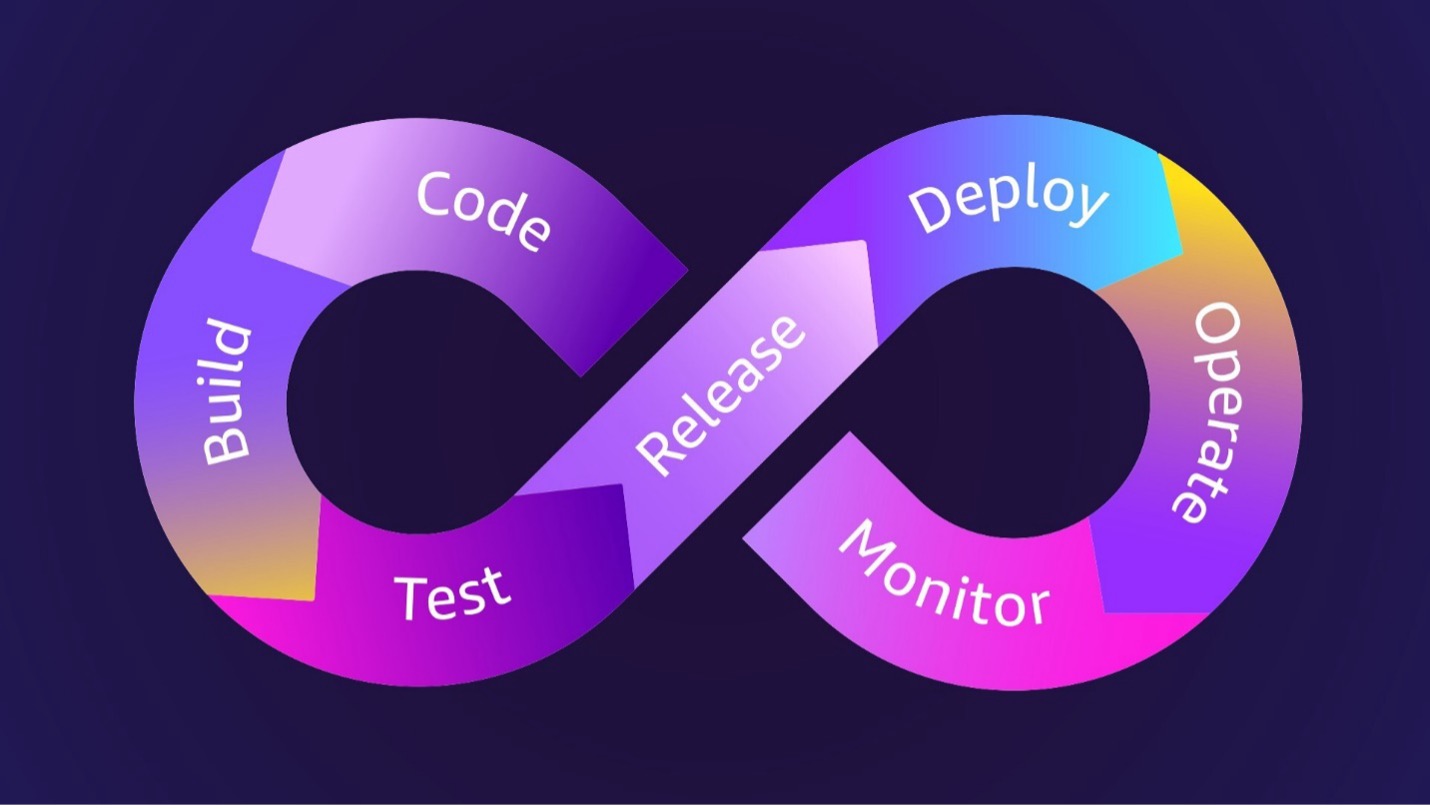


Manual and automation testing are complementary disciplines rather than completely separate career paths.
Manual testing involves exploring software, understanding requirements, identifying unexpected behaviour, and evaluating the user experience. It is particularly useful for exploratory testing, usability testing, and scenarios that require human judgement.
Automation testing uses scripts and tools to execute repeatable test cases. It is valuable for regression testing, cross-browser validation, API testing, and continuous delivery environments where tests must be run frequently.
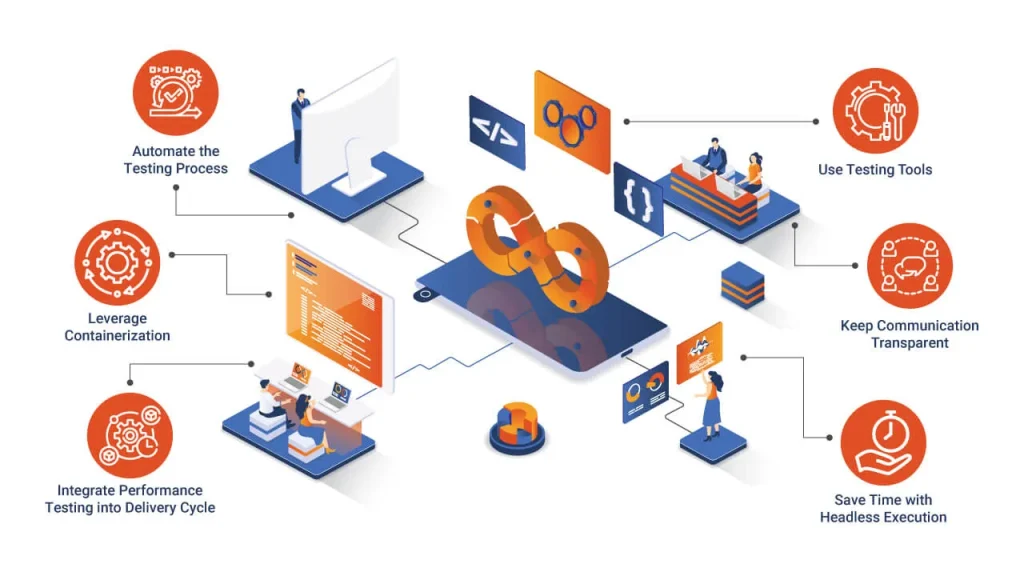
Professionals beginning their testing career should first develop a strong understanding of testing fundamentals. This includes test design, defect reporting, requirements analysis, risk assessment, and the software development lifecycle. These skills remain important even when testing is automated.
After building that foundation, testers can learn a programming language and an automation framework such as Playwright, Cypress, Selenium, Katalon, or UFT. The most appropriate tool depends on the application, team technology, and project requirements.
A strong quality professional understands when manual testing is necessary, when automation creates value, and how both approaches can be combined into an effective test strategy.