
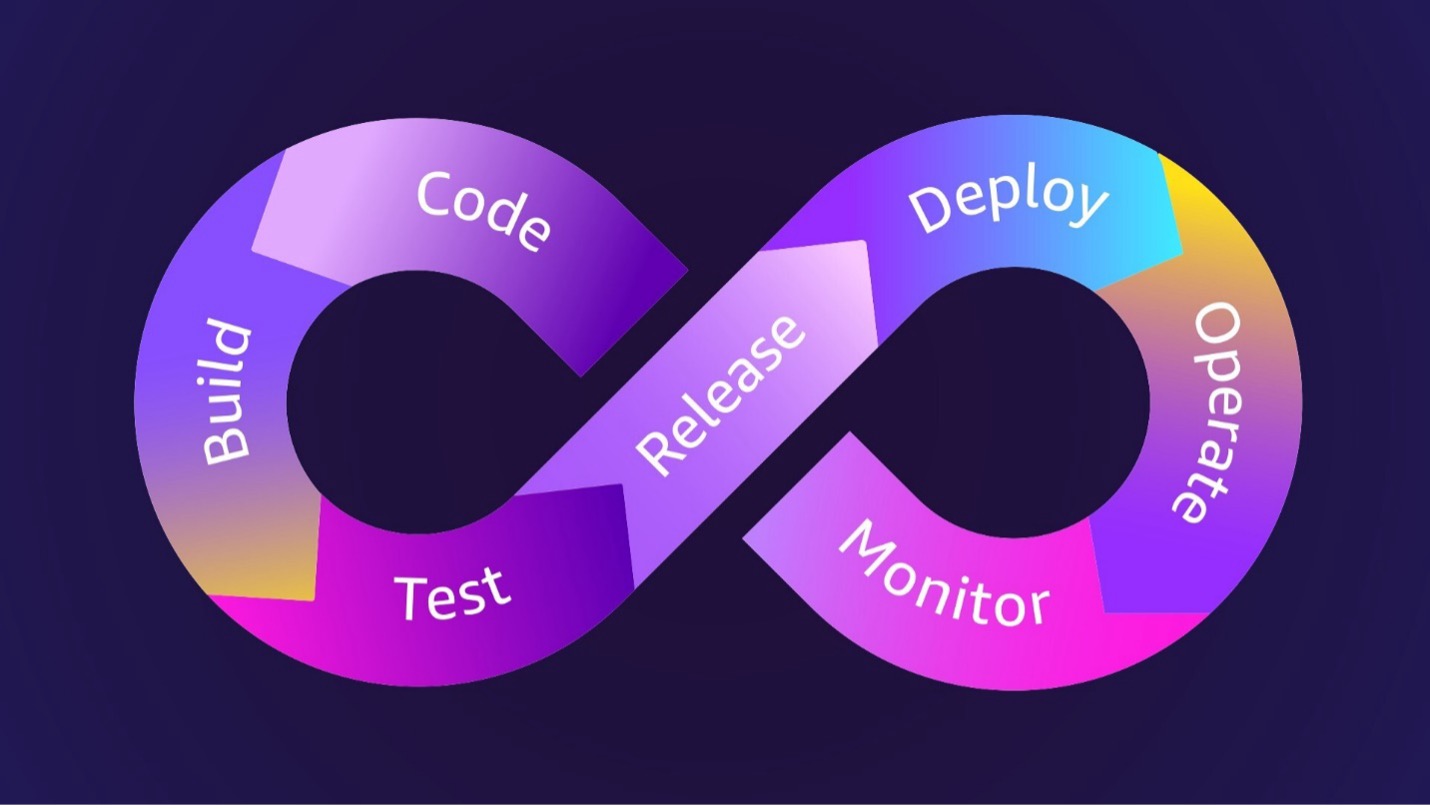


Modern software teams are expected to release applications faster without sacrificing quality, security, or reliability. Traditional development methods often separate developers, testers, and operations teams, which can create delays, communication gaps, and deployment issues.
DevOps and continuous testing solve these challenges by bringing teams, tools, and processes together throughout the software development lifecycle.

Continuous testing does not mean automating every test. Exploratory, usability, and complex risk-based testing still require human judgement. Teams should automate stable, repeatable checks while allowing skilled testers to investigate new functionality and uncertain areas.
What Is DevOps?
DevOps is a collaborative approach that connects software development and IT operations. Its goal is to automate workflows, improve communication, and make software releases faster and more reliable.
Instead of waiting until development is complete before testing or deployment begins, DevOps encourages teams to work together from planning through production.
Common DevOps practices include:
- Continuous Integration
- Continuous Delivery and Deployment
- Infrastructure automation
- Automated monitoring
- Version control
- Collaborative development workflows
A successful strategy requires reliable test environments, maintainable automation, appropriate test data, clear ownership, and fast feedback. Poorly designed test suites can slow delivery, so teams must regularly review and improve them.
When implemented thoughtfully, DevOps and continuous testing can create a more consistent and collaborative delivery process.
What Is Continuous Testing?
Continuous testing is the process of automatically testing software throughout every stage of development.
Tests are run whenever developers add or modify code. This allows teams to identify bugs early instead of discovering them near the end of the project or after the software has been released.
Continuous testing may include:
- Unit testing
- Integration testing
- Functional testing
- Performance testing
- Security testing
- User interface testing
- Regression testing
Faster Software Releases
DevOps automates many time-consuming development and deployment tasks. Continuous testing ensures that every code update is checked quickly before moving to the next stage.
As a result, teams can release smaller updates more frequently instead of waiting for large, complex releases. Smaller releases are easier to test, review, and troubleshoot.
Early Bug Detection
Fixing a bug during development is usually easier and less expensive than fixing it after release.
Continuous testing provides developers with immediate feedback when a code change causes an issue. This helps prevent defects from progressing through the development pipeline and affecting other parts of the application.
Better Collaboration
DevOps removes barriers between developers, testers, operations teams, and security professionals.
Everyone works toward shared goals and uses the same tools and processes. Test results, deployment status, and performance information can be viewed by the entire team, improving communication and accountability.
Improved Software Quality
Automated tests can run consistently across different environments and code versions. Unlike manual testing, automated testing does not depend on repetitive human actions.
Teams can test more scenarios in less time, improve test coverage, and ensure that existing features continue to work after new updates are introduced.
More Reliable Deployments
DevOps pipelines automate the process of building, testing, and deploying software. A code update only moves forward when it passes the required quality checks.
If a test fails, the pipeline can stop automatically, preventing unstable code from reaching production. This reduces deployment failures and unexpected downtime.
Faster Feedback
Continuous testing gives developers immediate information about the quality of their changes.
Fast feedback allows teams to correct issues while the code is still fresh in the developer’s mind. It also helps product teams understand whether new features meet the required business and technical expectations.
Stronger Security
Security checks can be included directly within the DevOps pipeline. This approach is often called DevSecOps.
Automated tools can scan code, dependencies, containers, and infrastructure configurations for vulnerabilities. Identifying security issues early reduces the risk of releasing insecure software.
Continuous Monitoring and Improvement
Software delivery does not end after deployment.
DevOps teams continuously monitor application performance, errors, user activity, and infrastructure health. This information helps teams identify production issues, understand user behaviour, and improve future releases.
Continuous monitoring also provides valuable feedback that can be added to the development and testing process.