


Cybersecurity is not only the responsibility of an IT or security department. Every employee who uses email, cloud applications, company devices, shared documents, or business systems can affect an organization’s security.
Cybersecurity awareness training helps employees recognize suspicious emails, unsafe links, social-engineering attempts, weak authentication practices, and inappropriate handling of sensitive information. It also provides clear guidance about what employees should do when they notice unusual activity.
Effective training should use realistic examples rather than relying entirely on technical terminology. Employees should understand how an attacker may create urgency, impersonate a trusted person, request confidential information, or encourage someone to bypass an established process.
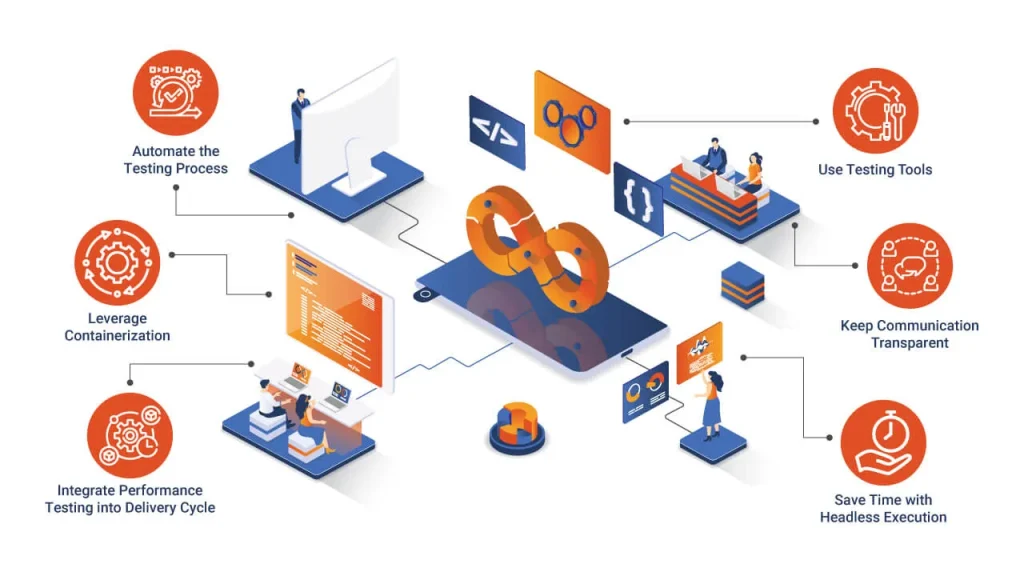
Training should also explain password security, multi-factor authentication, remote-working risks, safe file sharing, device protection, privacy responsibilities, and incident-reporting procedures.
Cybersecurity awareness should not be treated as a single annual presentation. Short refreshers, simulated exercises, policy updates, and role-specific sessions can help keep safe behaviour visible throughout the year.
Technology can reduce risk, but employees who understand threats and respond appropriately form an important layer of organizational protection.