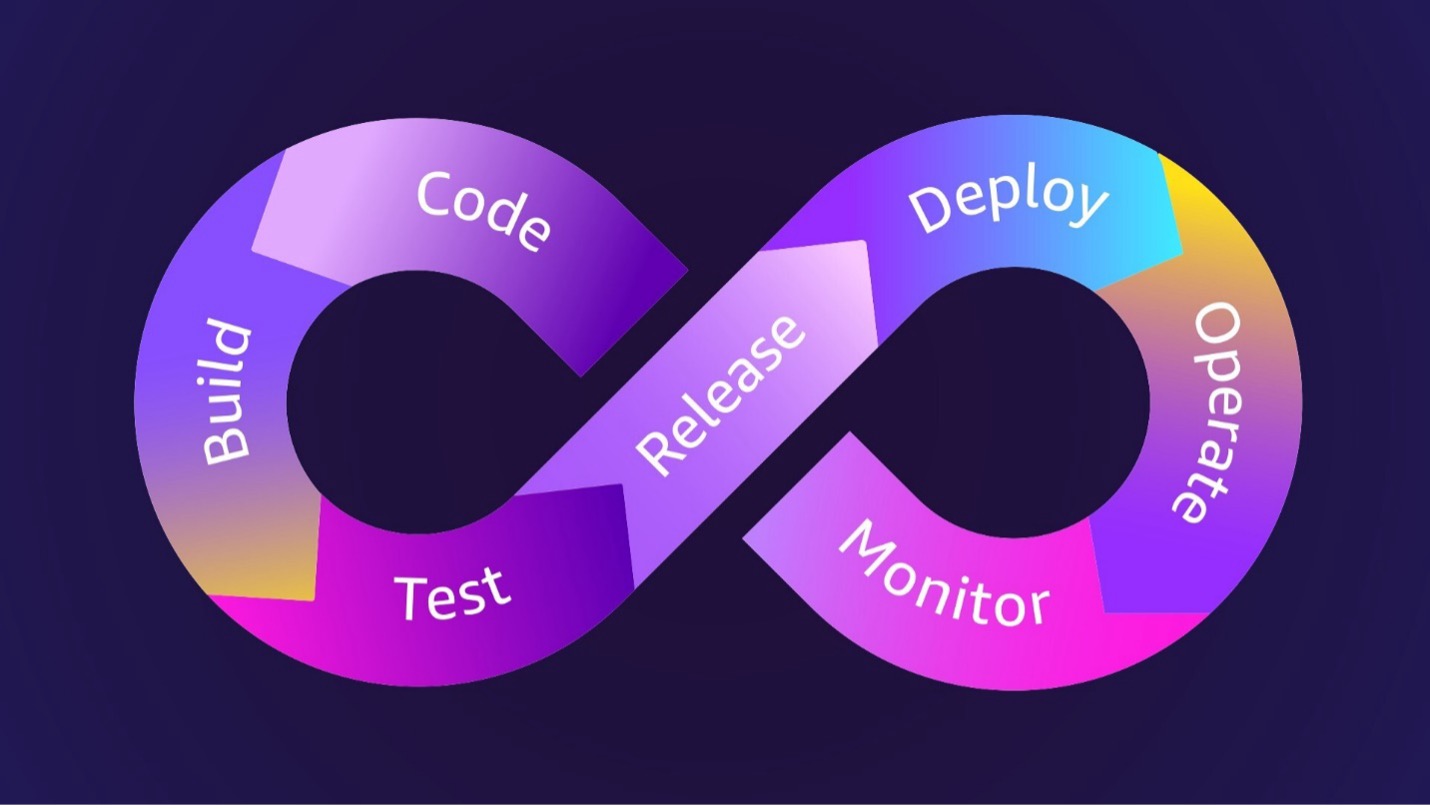



Digital transformation is not achieved by purchasing new software alone. Organizations also need employees who understand how to use technology effectively, adapt their processes, and collaborate across departments.
Corporate training helps close the gap between an organization’s technology investment and its workforce capabilities. Employees can learn modern tools, Agile practices, automation, cloud technologies, cybersecurity principles, and project-management methods that relate directly to their responsibilities.

A well-designed training program begins with a skill-gap assessment. This allows the organization to identify where performance is being affected by outdated knowledge, inconsistent processes, or limited technical capability. Training can then be customized around business objectives instead of delivering the same generic material to every participant.
Practical workshops are especially valuable because employees can work through scenarios that reflect their daily responsibilities. This improves confidence and makes it easier to transfer the learning to live projects.
Organizations should also evaluate training outcomes through assessments, project performance, productivity improvements, quality indicators, and employee feedback. When training is connected to measurable objectives, it becomes a strategic investment rather than a one-time event.